
bedroom vanity mirror with lights
Understanding Frame Levels A Comprehensive Overview In the realm of photography, videography, and design, the concept of frame levels plays a pivotal role in how we perceive and compose visual narratives. Frame levels refer to the various heights or angles at which a camera or a design element is positioned to capture or present a subject. This article seeks to explore the significance of frame levels, their impact on storytelling, and tips for effectively utilizing them in your work. The Importance of Frame Levels Frame levels are crucial in determining how a viewer interprets an image or a scene. Different frame levels can elicit varied emotional responses and can guide the viewer's eye in specific ways. For instance, shooting from a low angle tends to empower the subject, making them appear larger and more dominant. Conversely, a high angle can create a sense of vulnerability or insignificance, as the subject is seen from above. This manipulation of perspective is not just a technique; it’s a form of visual storytelling that can dramatically affect the narrative being conveyed. A photographer or filmmaker must carefully consider the frame level choices they make to ensure they align with the intended message or emotion. The Mechanics of Frame Levels Frame levels can be categorized primarily into three basic angles low, eye-level, and high . 1. Low Angle This approach involves positioning the camera below the subject. It generally creates a sense of scale and can elevate the subject’s impact. For example, in a film, a hero might be captured from a low angle during a triumphant moment, which visually reinforces their strength and authority. 2. Eye Level The most neutral frame level, typically representing how we view the world. This angle fosters a sense of equality between the viewer and the subject. It's often employed in documentaries and interviews as it facilitates a direct connection between the audience and the subject, conveying authenticity and relatability. frame levels 3. High Angle Shooting from above can diminish the subject’s presence, making them appear smaller or more vulnerable. This technique is often used in scenes that intend to evoke sympathy or may suggest a lack of power. Practical Tips for Implementing Frame Levels To effectively utilize frame levels in your work, consider the following strategies - Think about your subject Always have a clear understanding of the characteristics and emotions you want to convey about your subject. Choose a frame level that aligns with this narrative. - Experiment with angles Don’t be afraid to move around and explore various angles. Each change in frame level can reveal different nuances of your subject, contributing to a richer storytelling experience. - Pay attention to the surroundings The environment can also influence the impact of different frame levels. A cluttered background may detract from the subject, while a clean backdrop can enhance focus. - Review and Analyze After shooting, review your footage or images critically. Compare various frame levels and how they affect the visual narrative. This practice will help refine your skills and develop a more instinctual use of angles in future projects. Conclusion Frame levels are an essential tool in the arsenal of any visual storyteller, be it photographers, filmmakers, or designers. By understanding and effectively applying different frame levels, creators can significantly enhance their work, guiding the audience’s perception and emotional response. Whether you’re capturing a fleeting moment or crafting a carefully staged scene, the angles you choose can profoundly impact how your story is received. Embrace the power of frame levels, and let them elevate your visual storytelling to new heights.
about
bedroom vanity mirror with lights
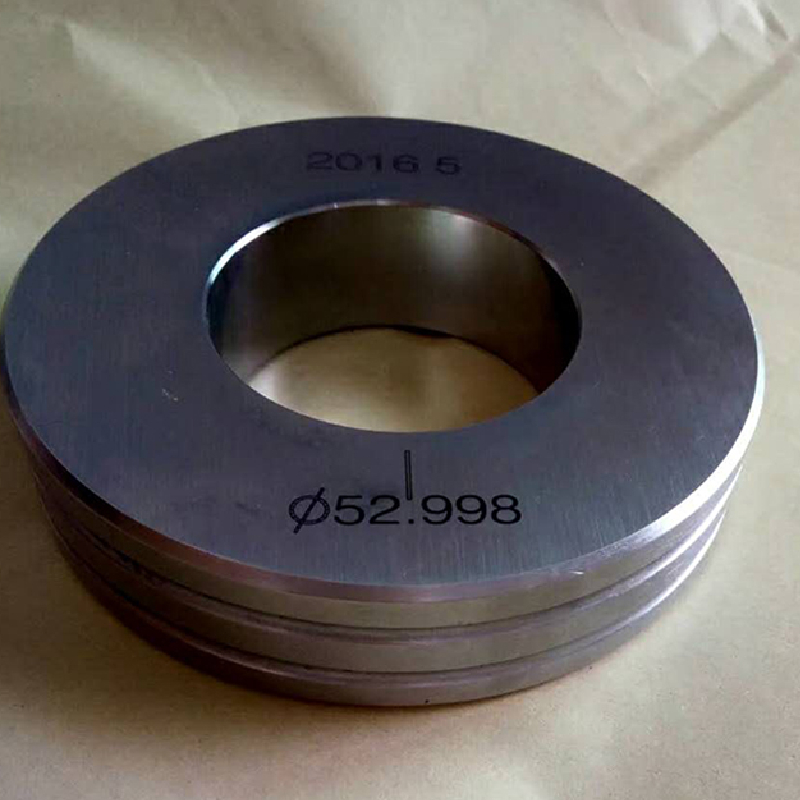
Understanding Thread Plug Gauge Pricing An Essential Guide Thread plug gauges are critical tools used in the manufacturing and engineering sectors to ensure the quality and accuracy of threaded holes. These gauges are designed to check the dimensional tolerances of internal threads, ensuring they meet specified standards. As with any industrial tool, understanding the pricing of thread plug gauges is essential for manufacturers aiming to maintain precision while staying within budget. What are Thread Plug Gauges? Before delving into the pricing details, let’s first clarify what thread plug gauges are. These gauges are cylindrical tools that fit precisely into the internal threads of a component to verify whether they conform to the required specifications. They come in two primary types go gauges, which confirm that the thread is acceptable, and no-go gauges, which identify whether a thread exceeds tolerances. Factors Influencing Pricing The price of thread plug gauges can vary significantly based on several factors 1. Material and Construction High-quality materials such as tool steel or carbide significantly influence the price. Gauges made from sturdier materials tend to be more expensive but also offer better durability and longevity. 2. Calibration and Certification Gauges that come calibrated and certified to meet specific standards (such as ISO or ANSI) may carry a premium. Certification provides assurance that the gauge has been tested and meets quality controls. 3. Size and Thread Specification The size of the gauge and the specific thread pitch can greatly affect pricing. Standard sizes typically cost less, while specialized sizes might demand a higher price point due to manufacturing complexities. thread plug gauge price list 4. Manufacturer Brand Renowned manufacturers with a reputation for precision and quality often price their gauges at a premium compared to lesser-known brands. Investing in reputable brands can result in better accuracy and product durability. 5. Volume of Purchase Bulk orders can also significantly reduce the cost per unit. Many suppliers provide discounts for larger orders, making it more economical for companies that require multiple gauges. Average Price Range To give you a rough idea, thread plug gauges may range in price from as low as $10 for standard gauges from less well-known manufacturers to several hundred dollars for specialized, high-precision, branded gauges. For example, a common go/no-go set might be priced between $50 to $150, while custom or high-precision gauges could range from $200 to over $500. Cost-Benefit Analysis When considering the purchase of thread plug gauges, it is crucial to perform a cost-benefit analysis. While it may be tempting to opt for the cheapest option, investing in higher-quality gauges can lead to better performance, reduced errors in manufacturing, and enhanced product quality. The right gauge can save time and costs associated with defective products. Conclusion In summary, understanding the cost of thread plug gauges involves an analysis of the factors influencing pricing, including materials, calibration, size, brand, and order volume. By carefully weighing these elements, manufacturers can make informed decisions that align with their quality standards and budget limitations. Ultimately, investing in the right thread plug gauges is not just a matter of expense; it is an investment in quality assurance and operational efficiency, which ultimately translates into better products and satisfied customers.
-

High quality industrial productsagement

High quality industrial products
View Details -

Meet the diverse needs of customers

Meet the diverse needs of customers
View Details -

Strict quality control

Strict quality control
View Details -

Top raw materials

Top raw materials
View Details -

Trusted supplier

Trusted supplier
View Details
Our application
news and information
water valve main
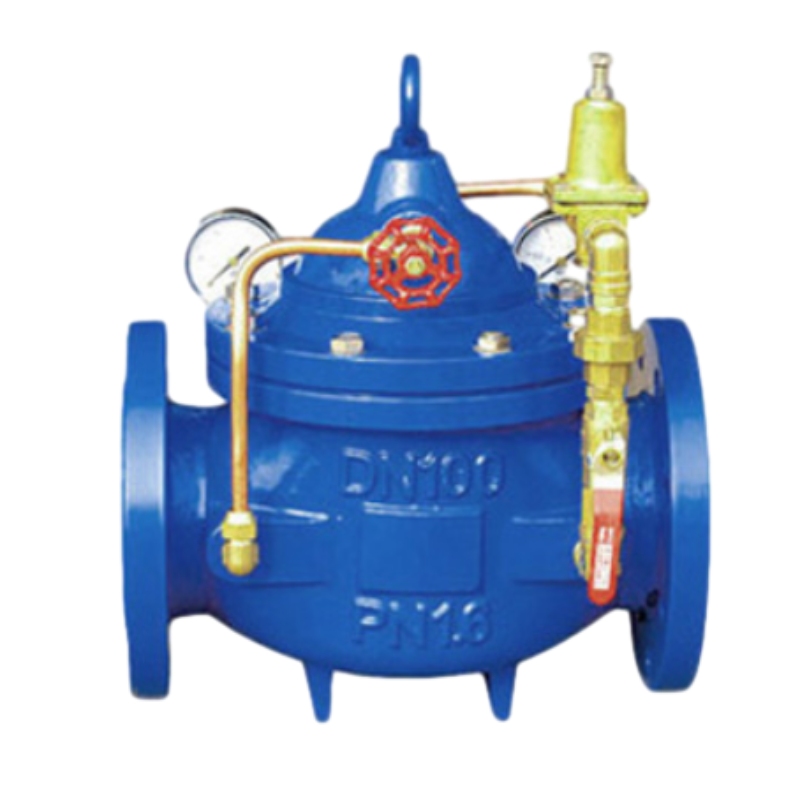
Understanding Water Valve Main Key Components and Importance Water valves are critical components in

y Siebdampfabscheider
Der Y-Strainer ist ein wichtiges Bauteil in der industriellen Prozessindustrie, insbesondere in Damp
use of parallel ruler
The Use of Parallel Rulers An Essential Tool in Precision Measurement In various fields ranging from
 English